
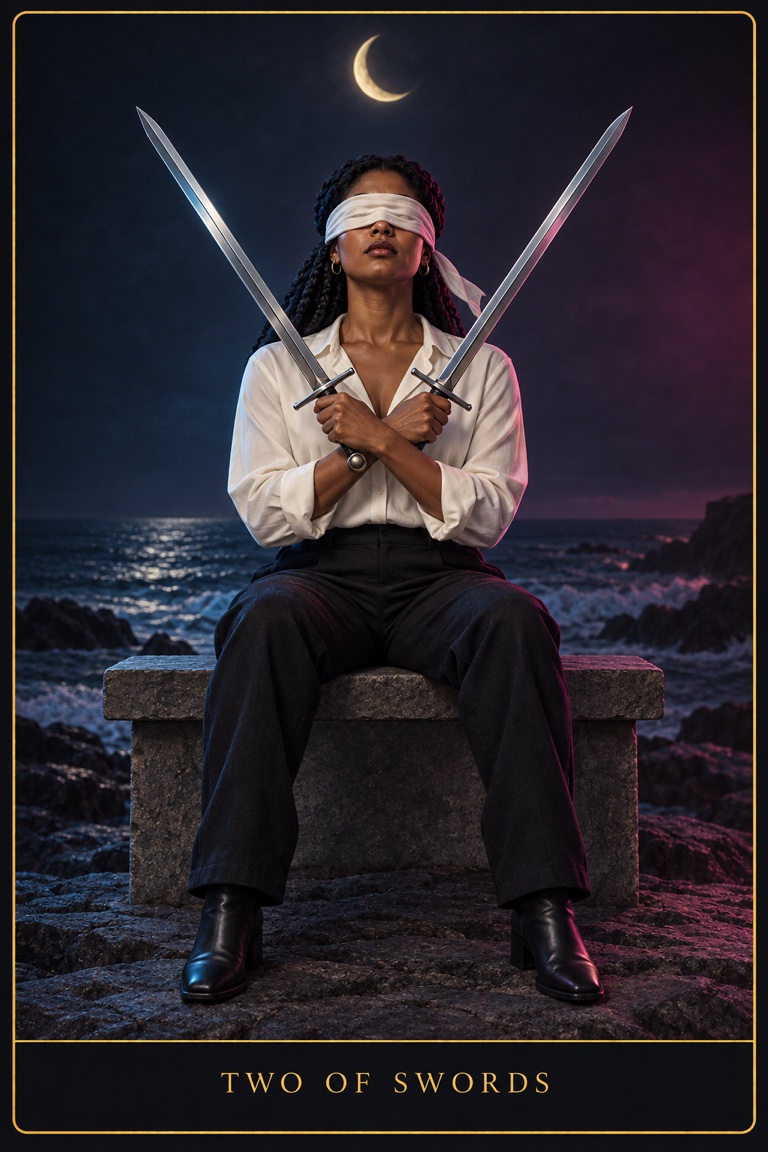
In a situationship vs relationship comparison, the useful distinction is often what the people have explicitly agreed. Feeld describes situationships as a kind of relationship that may lack a clear definition or consistent expectations. Affection, dates or time together do not by themselves tell you what commitment either person intends.
Compare agreements, not appearances
Feeld's situationship discussion explains that both arrangements can include emotional connection and time together. The distinction it draws is around definition and mutual commitment.
Instead of counting sleepovers or interpreting introductions as a promise, consider these questions: Have we said what we want? Do we agree about dating other people? What can we reasonably expect from each other? Are plans discussed or assumed? A relationship label can help, but it still needs a shared meaning.
Exclusivity is one separate question
Two people might agree to date exclusively while still deciding whether they want a committed partnership. Others might have a clearly defined relationship that is not monogamous. The label alone does not settle either arrangement.
Here is a conversation to adapt: “When you say we are seeing each other, do you mean we are both free to date other people, or that we have agreed not to?” Ask about the agreement you need, rather than trying to infer it from frequency of contact. Read our asking whether you are exclusive page.
Notice whether the arrangement fits you
You might be comfortable with something casual and clearly discussed. You might instead want a committed relationship and find the uncertainty difficult. Neither answer requires you to pretend your preference is smaller than it is.
Write two columns for yourself: “What we have agreed” and “What I hope will happen.” For example, “We enjoy meeting on weekends” belongs in the first only if that is established. “They will want commitment soon” belongs in the second unless they have actually said so. Hope is not an agreement.
Have the conversation before choosing your next step
Try: “I enjoy this connection, and I am looking for a committed relationship. Is that something you want to explore with me?” Listen to the answer, including uncertainty or a no. You cannot supply the other person's commitment by waiting, spending more money or making yourself more available.
If the arrangement no longer works for you, read our how to end a situationship page. You can make a decision about your participation without deciding that the other person is bad or that the connection meant nothing.
Explore your question in a personal reading
For a symbolic perspective on your connection with this person, you can ask a custom question in a Signature Video Reading: “What should I consider about what is and is not defined in my connection with this person?” Koko personally records the reading, starting at $99 for 15+ minutes. Standard delivery is 7–10 days; optional 24-hour Express adds $49.
Read our guide to choosing a love reading. Readings are for entertainment and reflection. They do not establish another person’s thoughts or promise an outcome.